
Everyone is impacted by climate change, but those who are marginalised in society will feel the greatest weight of a warming planet.
Inequitable societal systems make vulnerable communities disproportionately exposed to climate disasters. In particular, the LGBTQ+ community has long been subject to exclusion from essential aid and support needed to survive extreme weather disasters.
As a result, LGBTQ+ environmentalists are advocating for both the environmental justice and LGBTQ+ rights movement to join forces and make the world a safer and better place for all.
To paint a clearer picture of the relationship between LGBTQ+ rights and environmental justice, this blog will answer:
LGBTQ+ people are repeatedly ignored by the most influential climate legislation despite being one of the most marginalised groups in society.
According to the latest IPCC report, people who are considered vulnerable are more likely to endure the greatest impacts of the climate crisis. The report names groups such as low-income communities, ethnic minorities, and people with limited ability, but fails to mention the LGBTQ+ community.
In 2015, 4 United Nations agreements were introduced that provide a global framework for a sustainable future: the Paris Agreement, Addis Ababa Action Agenda, Sendai Framework for Disaster Risk and Reduction, and the Agenda for Sustainable Development. Within these agreements, there is a specific focus on groups who are considered marginalised in disaster situations such as women and girls, people with disabilities, older people, ethnic minorities, indigenous people, and low-economic communities. Again, LGBTQ+ individuals are not identified as being at a greater risk of the impacts of climate disasters.
In fact, research carried out by DRR (Disaster Risk Reduction) Dynamics in early 2021 found that there are currently only five countries globally that mention LGBTQ+ people within their official disaster policies.
The renowned Sustainable Development Goals (SDGs), which highlight how inequality is inherently linked to climate change, have also been scrutinised for excluding the LGBTQ+ community. For example, Goal 10 (10.2) states that “By 2030, empower and promote the social, economic, and political inclusion of all irrespective of age, sex, disability, race, ethnicity, origin, religion, or economic, or other status.”
Despite this fact, the SDGs do provide awareness of the hardships that marginalised groups (including the LGBTQ+ community) face in the fight against climate change. For example, homelessness and exclusion from aid are two major issues that LGBTQ+ people face during climate disasters, more so than their heterosexual and cisgender counterparts.
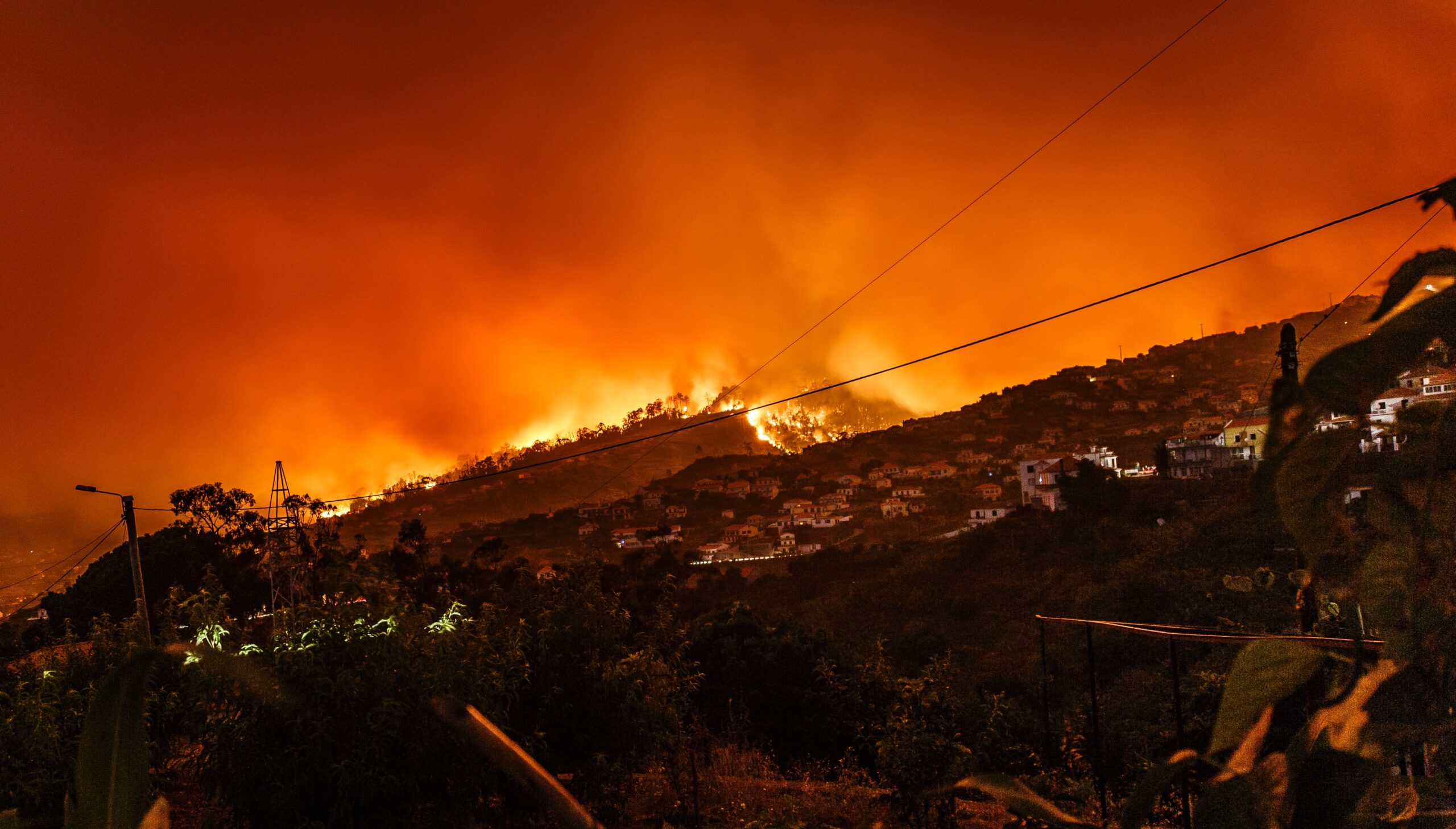
Some of the most common climate disasters include severe floods, destructive hurricanes, and extreme heat waves. The effects of these events disproportionately impact vulnerable communities that are unhoused or excluded from aid.
People without a stable home lack the necessities to handle extreme weather patterns. When a climate disaster strikes, those without a secure home are at higher risk of hypothermia, respiratory distress from fires, and infectious diseases from floods.
Almost one in five LGBTQ+ people have experienced homelessness at some point in their lives due to discrimination. Many are forced to leave home if their identity is not accepted by their family or friends, and prejudice from landlords can also mean that many LGBTQ+ people find themselves without stable housing.
Research by The Trevor Project shows that queer youth are particularly vulnerable to homelessness due to family rejection or abuse. According to AKT, 24% of young (aged 16-25) homeless people are LGBTQ+. This is a severe over-representation given that the estimated LGBTQ+ population is between 3 and 5%. AKT’s research report highlighted some of the main reasons why LGBTQ+ youth are more likely to become homeless.

Source: AKT The LGBTQ+ Homeless Report
Transgender individuals are especially more likely to be unsheltered due to discrimination in shelter spaces. A recent study showed that approximately one-fifth of transgender people experience homelessness at some point in their lives. The majority of those trying to access a homeless shelter reported being harassed by staff or residents (55%) or were refused entry (29%).
In the face of climate disasters, the LGBTQ+ community has been excluded from necessary aid and support. This is contributed to by the lack of awareness for the LGBTQ+ community in climate policy. As a result, the disaster responses often lack the correct support for the LGBTQ+ community, which leads to acts of exclusion and discrimination.
While disasters do not discriminate, relief and recovery practices do – Lara Williams, the Climate Reality Project
For example, following Hurricane Katrina, a transgender evacuee was jailed for 6 days for showering in a women’s relief shelter. Arpollo Vicks had been left with little food, water, or shelter after the hurricane hit, but was unable to access disaster aid like her cisgender counterparts. Arpollo’s cousin who is also a transgender woman was arrested at the same relief shelter for using the women’s bathroom.
Arpollo and her cousin were only released from prison after the National Centre for Transgender Equality and other human rights activists fought against the shelter until any legal charges were dropped.
The LGBTQ+ rights and environmental justice movement must work in unison to ensure that everyone has equal access to emergency support, regardless of their sexual orientation or gender identity.
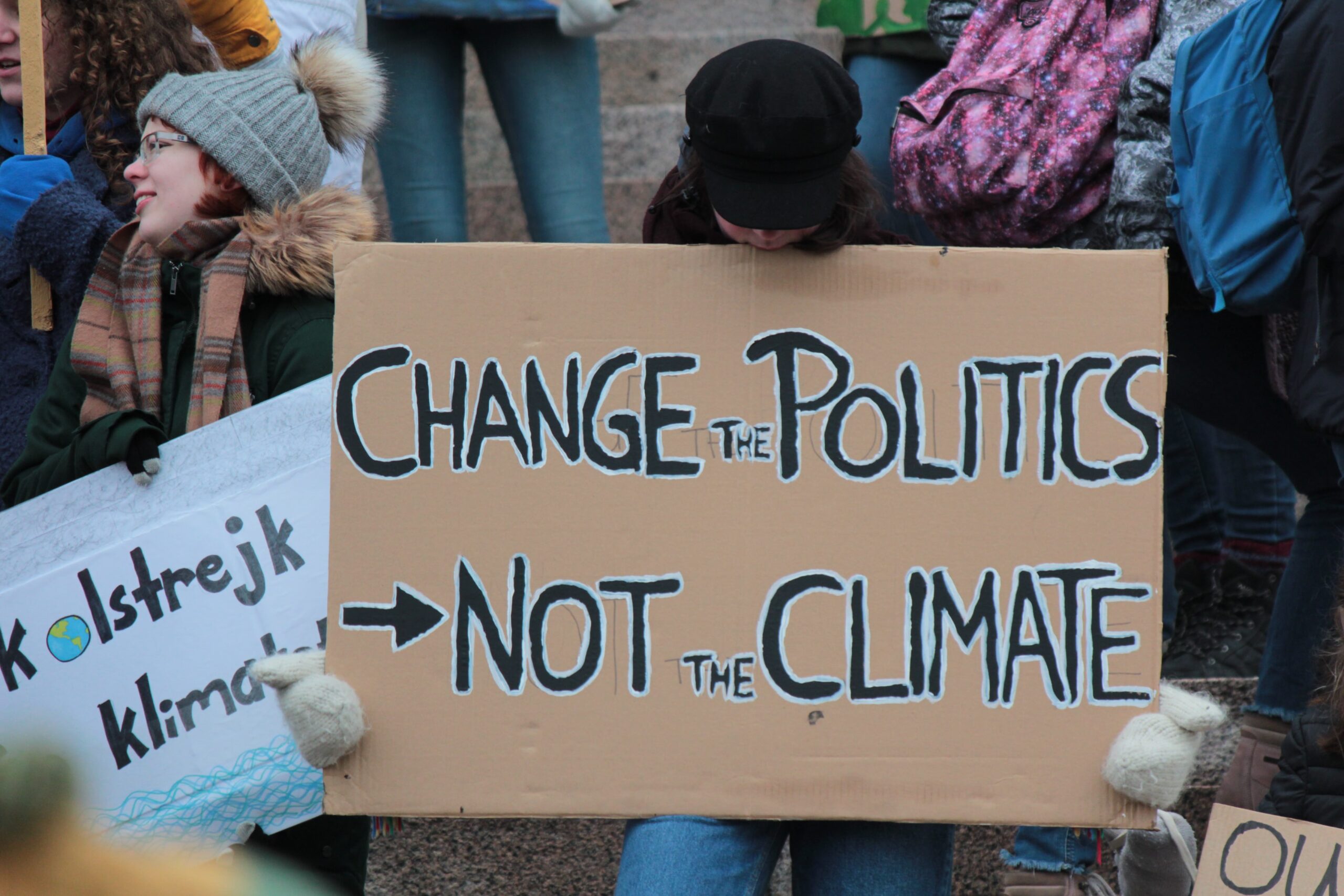
The environmental justice and LGBTQ+ rights movement share a common goal: to make the world a safer place for all. The climate crisis has highlighted the hardship of LGBTQ+ people worldwide and proven the interconnected nature of the two movements.
LGBTQ+ people have long been subject to the burden of climate change due to their sexuality or gender identity. However, the lack of acknowledgement for the community is a key barrier to surviving climate disasters. Discriminatory housing policies and exclusionary aid support are only two hurdles that LGBTQ+ people face but would be a crucial starting point for climate leaders to address. As climate disasters become more frequent, responses to climate disasters must be LGBTQ+ inclusive.
Conversations are starting to be had about more inclusive disaster aid. However, significant improvements will not be felt until these issues are addressed in climate policy. As a result, many queer environmentalists and movements have taken action to raise awareness of the relationship between sustainability, the LGBTQ+ community, and justice, and are paving the way for queer inclusivity in climate disasters.
The following examples are only a few of many inspirational LGBTQ+ environmentalists worldwide that are advocating for LGBTQ+ inclusion in climate justice.
Since 2012, Ceci has worked with non-profit organisations around environmental justice, education, and migrant rights. They organise the Audre Lorde Project, a community organising centre led for and by queer, trans, gender non-conforming, and two-spirit people of colour. Ceci founded RADIKO, an organisation born to draw out the connections between marginalised communities and the climate crisis, hosting climate justice workshops for queer communities across America.
Isaias is an eco-educator and activist, best known to many as Queer Brown Vegan. Facing environmental injustices throughout their upbringing, they grew a passion for environmentalism. Isaias created the Queer Brown Vegan platform for people to learn about diversity, environmentalism, and climate justice. He creates educational content that makes the interconnected nature of climate change and marginalised communities accessible to all.
Aletta is an organiser, futurist, writer, and narrative activist whose work is guided by Audre Lorde’s wisdom that ‘without community, there is no liberation.
Aletta founded Our Climate Voices, an anthology of stories that amplifies first-person climate change narratives. Their mission is to humanise the climate disaster through storytelling and put the voices of those most impacted at the forefront of the conversation. Our Climate Voices listens to fresh perspectives from grassroots leaders and support local solutions to encourage a large collective impact.
Founded in 2008, OUT For Sustainability (OUT4S) has evolved to become a leading voice for the LGBTQ+ sustainability movement. OUT4S provides a platform for co-creating climate resilience and environmental justice by and for LGBTQ+ communities. The organisation has hosted over 4000 people at more than 100 events, in addition to speaking at conferences and writing for publications around the world, advocating for LGBTQ+ inclusivity in the climate movement.
Queers X Climate (QXC) is an international organization dedicated to uniting and supporting climate and LGBTQ+ activism to develop and implement solutions for our common global climate crisis. QXC´s main objective is to foster a constructive change in which the LGBTQ+ community engages with climate change activism.
Friends of the Earth Scotland is the leading environmental campaign organisation advocating for environmental justice and a just transition to a fossil fuel-free Scotland. They have continuously supported the climate justice and queer liberation movement, as well as showcasing how marginalised communities are disproportionately impacted by climate change. In 2020, Friends of the Earth contributed to Divest Pride – a protest campaign aiming to put an end to organisations pinkwashing their irresponsible business practices. The campaign showcased what LGBTQ+ and climate justice organising can look like.