
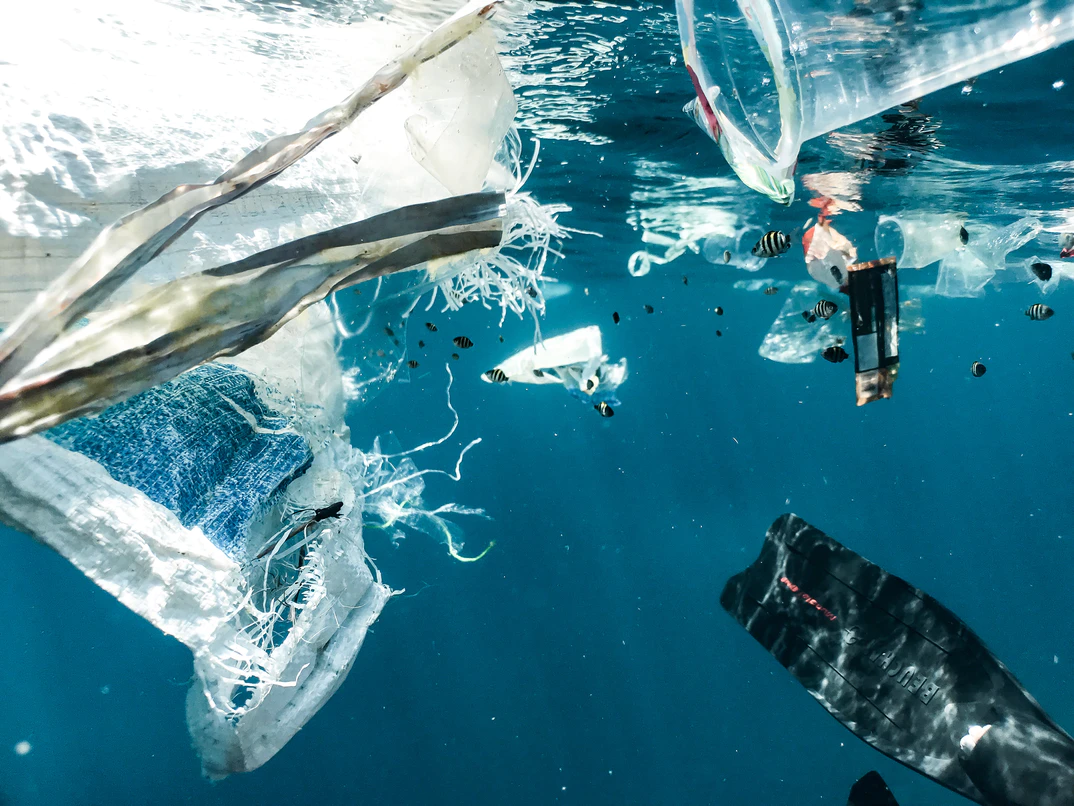
Single-use plastics are plastic items designed to be used once before being disposed of or recycled.
From shopping bags to toothbrushes, single use-plastics are a massive part of our day-to-day lives – but the impact they have on our planet is catastrophic. As a result, many customers and businesses are looking for plastic alternatives to reduce their waste and overall environmental impact.
Single-use plastics are not designed to be recycled and are not biodegradable. Instead of breaking down organically, plastic breaks into tiny pieces of plastic called microplastics. Plastic can take around 1000 years to break down, meaning that any plastic produced is still on earth.
There will be more plastic in the ocean than fish by 2050
During the long decomposing process, the chemicals from the plastics can also pollute soil and water. Plastic waste washes up on our beaches and endangers animals, with chunks of plastic found in the stomach of birds – the same birds that humans eat!
The single-use plastics that make their way into the environment most frequently are:
For businesses looking at the cost of single-use vs. reusable items, it is helpful to consider the disposal costs. When single-use items are predominant, the disposable prices are higher because of the volume of waste.
However, a significant amount of energy is needed to produce reusable items compared to single-use items. For this reason, to make the purchases worthwhile environmentally, businesses must stress the behaviour patterns of reuse.
Whether you are a business or individual customer looking to reduce your plastic consumption, a good place to start is looking at some everyday single-use plastics and considering the plastic alternatives.
Plastic carrier bags are single-use items, with over 1 trillion produced worldwide annually. They have an average use time of 20 minutes but can take 400-1000 years to break down.
We will use 5 trillion plastic bags this year, and less than 1% will be recycled
In the UK, the government introduced a 5p charge for single-use carrier bags in October of 2015 to encourage customers to start reusing carrier bags. In May 2021, the cost increased to 10p and extended to all retailers. Since then, major supermarkets’ carrier bags have decreased by more than 95% in England.
Plastic bags are easy to replace with a canvas bag or paper bag.

Pricing data for plastic bag production and plastic bag cost
TIP: For both offices and households, it is helpful to store reusable bags that people can easily access before heading somewhere that they will require a bag.
Although not entirely made from plastic, single-use coffee cups are incredibly harmful to the environment.
2.5 billion disposable paper cups are used every year in the UK or 5000 every minute, and only 1 in 400 are recycled properly.
Most cups are made using virgin paper with a thin layer of waterproof plastic film bonded to the paper. Because the plastic film inside the cup is bonded tightly to the paper, separating these for efficient recycling isn’t easy!
Luckily, the rise in eco-friendly alternatives to disposable coffee cups has made it very easy for businesses and customers to enjoy coffee without leaving a negative environmental impact.

Pricing data for disposable cups and compostable cups, reusable coffee cups
TIP: Many cafes now offer a considerable discount to customers who bring their own coffee cup!
Waste companies do not like to compost them with regular food waste as they take a lot longer to decompose than food. Many businesses don’t have the facilities for compostable items, and it is easy to discard the product in the wrong bin or have compost bins contaminated.
Plastic straws are single-use plastics that can’t be easily recycled and often end up in landfills or polluting our oceans.
One of the top 10 items found during beach cleans is plastic straws
In September 2020, the UK government banned businesses from buying or supplying plastic items such as drink stirrers, cotton buds, and plastic straws. There are some exemptions to the ban on plastic straws if you require one for medical or accessibility reasons.
There are many eco-friendly alternatives to plastic straws made from several different materials.

Pricing data for plastic straws, paper straws, compostable straws, stainless steel straws, glass straws
TIP: If you don’t like the new paper straws available in most restaurants – take along your own reusable straw!
Like plastic straws, plastic cutlery is a small single-use item that can quickly end up in natural areas such as the ocean. Although many may use plastic cutlery for convenience, the UK has discussed a ban on plastic cutlery and plastic plates happening soon.
So now is an excellent time to start looking at the alternatives to plastic cutlery!

Pricing data from plastic forks, compostable fork, metal fork, bamboo fork
TIP: Many reusable cutlery options are small or foldable for traveling.
It is challenging to use reusable cups at large events, especially at such events involving alcohol consumption. Music festivals, street markets, and sporting events are examples of where it can be difficult to avoid single-use plastic cups, but the problem also exists in offices and restaurants.
The use of disposable plastic cups means that bins fill up faster, creating strain on staff, contamination of recycling streams due to confusion, and of course, litter.
Thankfully, many events have come up with clever solutions to reduce the number of disposable cups created. Examples include deposit schemes successfully implemented at Northampton Saints home matches and a plastic bottle ban at Glastonbury Festival.
For individuals, switching to a reusable cup option can make a huge difference in your environmental impact.

Pricing data for disposable plastic cups and pint glasses, compostable disposable cups
TIP: Many reusable cups are available that are collapsible, making them a lot easier to carry around.
The issue of plastic pollution arises from a disposable culture. As a society, we are not in tune with the impact of our waste, and single-use items are usually the cheapest and most readily available option.
We would eliminate all single-use items in a perfect world, and businesses would focus all consumer behaviour on reuse. While there are better options than plastic in most cases, we should focus on having single, substantial items that are reusable many times.
Are you ready to make some changes to your plastic consumption? Here are some easy solutions:
Find out more about efficient recycling and waste management with our short guide.
Pricing is correct at the time of writing: 28/02/2022